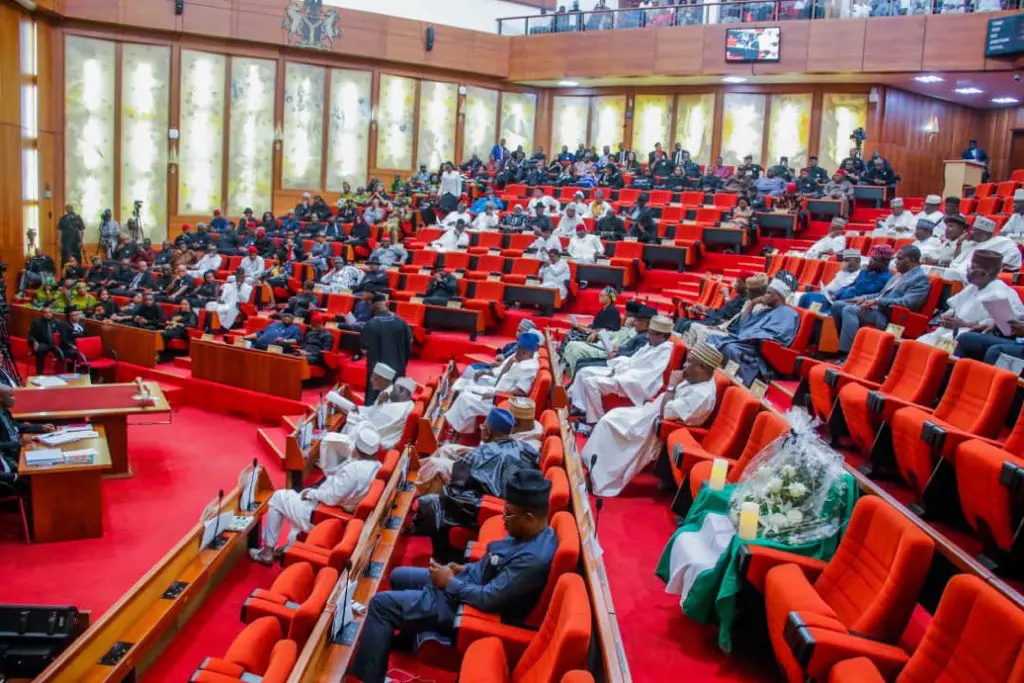
The Senate will reconvene today for an emergency sitting following intense public anger over its decision to remove the clause mandating real-time electronic transmission of election results from the Electoral Act Amendment Bill, 2026.
The move has sparked protests, threats of mass action, and accusations that lawmakers are deliberately weakening Nigeria’s electoral system ahead of the 2027 general elections.
The extraordinary plenary, called less than a week after the bill was passed, comes amid mounting pressure from civil society groups, opposition figures, labour unions, and youth-led movements demanding a reversal of the controversial amendment.
Senate President Godswill Akpabio is expected to preside over the session, which will be attended by 105 senators following recent deaths and resignations that reduced the chamber’s membership.
Public outrage intensified after the Senate deleted the word “real-time” from provisions on electronic transmission of results, a change critics say creates room for vote manipulation during result collation.
Several senators reportedly came under heavy attack after their phone numbers circulated on social media, forcing some to switch off their lines amid threats and angry calls from citizens accusing them of sabotaging democracy.
Although Senate leaders insist electronic transmission was not rejected outright, distrust has continued to grow, with many Nigerians demanding clarity and legal certainty.
The Nigeria Labour Congress has warned of nationwide protests and possible election boycotts if lawmakers fail to clearly restore mandatory electronic transmission of results.
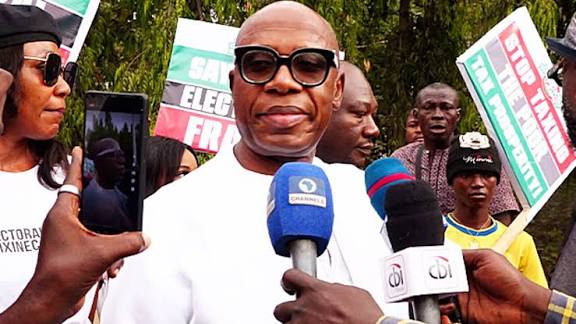
Tensions spilled onto the streets on Monday as protesters under the banner of the Movement for Credible Elections stormed the National Assembly area in Abuja, chanting slogans and carrying placards demanding that votes must count.
Former Labour Party presidential candidate, Peter Obi, joined the protest, accusing lawmakers of steadily eroding democratic gains and weakening safeguards meant to protect elections.
Civil society organisations including Yiaga Africa and the Kukah Centre have given the National Assembly a two-week ultimatum to conclude amendments and retain real-time electronic transmission, warning that failure could deepen public distrust.
Editors, regional leaders, and human rights lawyers have also joined the chorus, warning that any attempt to dilute electoral reforms could discourage voter participation and undermine democracy.
With the House of Representatives retaining the real-time transmission clause and a joint conference committee set to meet, today’s emergency session is widely seen as a turning point for Nigeria’s electoral future.